Modern RF, wireless communication, antenna, and electromagnetic compatibility testing require controlled environments to achieve accurate and repeatable measurements. External electromagnetic interference and unwanted signal reflections can affect test results, making specialized testing facilities essential for research, development, and product validation.
A Bell Labs anechoic chamber is a relevant topic when exploring anechoic chamber technology, electromagnetic testing, and the controlled environments used for advanced RF research. Anechoic chambers are designed to minimize unwanted reflections of electromagnetic waves or sound waves, depending on their intended application.
For RF and EMC laboratories, the right chamber configuration can support reliable measurements, reduce external interference, and help engineers evaluate the performance of antennas, wireless devices, and electronic equipment.
JV Micronics is a manufacturer and supplier of customized RF and EMC testing solutions, supporting laboratories that require specialized chamber systems and related testing equipment.
What Is a Bell Labs Anechoic Chamber?
Bell Labs is historically associated with important developments in telecommunications, electronics, and scientific research. Anechoic chamber technology has played an important role in controlled testing environments by helping researchers study signals and equipment with fewer unwanted reflections.
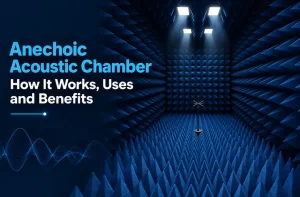
An anechoic chamber is a specially designed enclosure that absorbs electromagnetic waves or acoustic waves, depending on its purpose. RF and EMC anechoic chambers typically use electromagnetic absorbers on their interior surfaces to reduce reflections that could otherwise influence measurements.
The exact design of a chamber depends on its intended application, frequency range, required performance, dimensions, and testing methodology.
For RF laboratories, an anechoic chamber can provide a controlled environment for antenna characterization, wireless device testing, and electromagnetic measurements.
How Does an Anechoic Chamber Work?
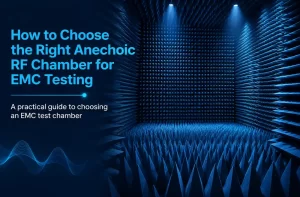
An anechoic chamber is designed to create a testing environment with minimal unwanted reflections. In an RF chamber, specialized absorber materials are installed on selected interior surfaces to absorb electromagnetic energy rather than reflect it into the test area.
The chamber structure may also incorporate shielding to reduce the influence of external electromagnetic signals.
A typical RF anechoic chamber may include:
- RF absorbers: Reduce electromagnetic reflections within the chamber.
- Shielded enclosure: Helps limit external electromagnetic interference.
- Antenna positioning systems: Allow antennas to be moved to specific heights or orientations.
- Turntables: Rotate equipment under test for measurements at different angles.
- Monitoring and control systems: Support test operation and measurement workflows.
- Cable and equipment interfaces: Enable connections between instruments and devices under test.
The appropriate configuration depends on the type of testing, frequency range, measurement requirements, and chamber size.
Why Are Anechoic Chambers Important for RF and EMC Testing?
Anechoic chambers help laboratories create controlled testing conditions. By reducing unwanted reflections and limiting external interference, they can support more consistent measurements.
1. Improved Measurement Accuracy
Reflected electromagnetic waves can influence antenna measurements and RF performance evaluations. Absorber materials help reduce these reflections, supporting measurements that better represent the intended test conditions.
2. Reduced External Interference
RF and EMC testing can be affected by electromagnetic signals originating outside the test area. A properly designed shielded enclosure helps limit these influences and provides a more controlled measurement environment.
3. Reliable Antenna Characterization
Anechoic chambers are widely used to evaluate antenna characteristics, including radiation patterns, gain, and directional performance. Suitable chamber dimensions and absorber configurations are important for obtaining meaningful results.
4. Support for Wireless Device Testing
Wireless communication products require testing across different frequencies and operating conditions. Anechoic chambers can support controlled evaluation of wireless devices, antennas, and communication systems.
5. Repeatable Testing Conditions
A consistent chamber configuration, combined with suitable positioning equipment and calibrated instruments, helps laboratories reproduce measurement setups across repeated tests.
Applications of Anechoic Chambers
Anechoic chambers are used across several industries where controlled electromagnetic or acoustic measurements are required.
RF and Microwave Testing
RF and microwave laboratories use anechoic chambers to evaluate antennas, RF components, and communication equipment. The chamber configuration must accommodate the frequency range and measurement requirements of the application.
Antenna Radiation Pattern Measurements
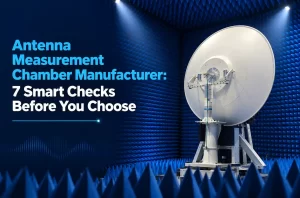
Anechoic chambers provide an environment for evaluating antenna radiation patterns and directional characteristics. Positioners and turntables can help engineers measure antenna performance at different angles.
EMC and EMI Testing
Electromagnetic compatibility and electromagnetic interference testing may require controlled environments to evaluate emissions or immunity. The required chamber type depends on the applicable test method and product requirements.
Wireless Communication Research
Research facilities developing wireless communication technologies can use specialized chambers to study antenna behavior, signal propagation, and device performance under controlled conditions.
Product Development and Validation
Manufacturers of electronic equipment can use anechoic chambers during product development to investigate electromagnetic behavior and evaluate performance before products enter production or certification testing.
Key Factors to Consider When Selecting an Anechoic Chamber
Choosing the right chamber requires an understanding of the intended testing application. A chamber designed for one frequency range or measurement method may not be suitable for another.
1. Frequency Range
The chamber and absorber materials must be appropriate for the frequencies being tested. Absorber performance varies with frequency, so the operating range should be established before selecting a configuration.
2. Chamber Dimensions
The size of the chamber depends on the equipment under test, antenna dimensions, measurement distance, and required test arrangement. Adequate space is also needed for positioning systems and supporting instruments.
3. Shielding Requirements
The required shielding effectiveness depends on the test environment and applicable measurement procedure. Shielding design should account for doors, ventilation, cable penetrations, and other potential paths for electromagnetic leakage.
4. Absorber Configuration
Different absorber designs and arrangements provide different levels of performance across frequency ranges. The absorber layout should be selected according to the chamber’s intended purpose and measurement requirements.
5. Antenna Positioning and Automation
Some applications require motorized antenna masts, turntables, or automated positioning systems. These components can help establish repeatable test configurations and reduce manual adjustments.
6. Applicable Testing Standards
The chamber must be suitable for the intended measurement procedures and relevant standards. Chamber selection should consider the complete test setup rather than the enclosure alone.
7. Future Testing Requirements
Laboratories planning to expand their testing capabilities should consider potential future requirements, including additional equipment, new frequency ranges, and increased automation.
Bell Labs Anechoic Chamber Technology and Modern Testing Facilities
The historical association between Bell Labs and scientific innovation highlights the importance of controlled environments in research and engineering. However, the requirements of a modern anechoic chamber depend on its specific application rather than its historical association alone.
Today’s RF and EMC laboratories may require customized chamber dimensions, specialized absorber materials, shielding, antenna positioners, turntables, and integrated control systems.
For organizations planning a new testing facility or upgrading an existing laboratory, understanding these requirements is an important first step toward selecting an appropriate solution.
It is also important to distinguish between an anechoic chamber designed for acoustic testing and one designed for electromagnetic testing. Although both aim to minimize reflections, their materials, construction, and performance requirements differ.
Why Choose JV Micronics?
JV Micronics is a manufacturer, supplier, and provider of customized solutions for RF, EMC, EMI, and specialized testing environments.
We understand that every testing facility has different technical requirements. Chamber dimensions, operating frequencies, shielding needs, absorber performance, antenna positioning, and automation requirements all influence the design of a suitable solution.
JV Micronics can support projects involving:
- Customized RF and EMC chamber solutions
- Anechoic and specialized testing environments
- RF absorber and chamber configuration requirements
- Antenna positioning systems and motorized masts
- Turntables and related testing accessories
- Customized mechanical systems for testing facilities
- Integration of chamber equipment and control systems
The appropriate solution depends on the project scope, testing objectives, and technical specifications. Careful planning helps ensure that the selected equipment works effectively as part of the complete testing environment.
How JV Micronics Helps With Anechoic Chamber Solutions
JV Micronics helps laboratories and organizations identify and develop customized RF and EMC testing solutions based on their application requirements.
Our approach begins with understanding the intended testing procedures, chamber dimensions, frequency range, equipment specifications, and required positioning or automation capabilities.
Based on these requirements, JV Micronics can help determine a suitable configuration involving chamber-related equipment, antenna positioning systems, turntables, and other supporting components.
For organizations planning a new RF testing facility or upgrading existing equipment, our manufacturing capabilities and application-focused approach can help align the solution with the technical needs of the project.
If your project involves a Bell Labs anechoic chamber reference or a modern RF anechoic chamber requirement, the first step is to establish the exact application and performance specifications. JV Micronics can help you explore suitable testing equipment and customized solutions based on those requirements.
Conclusion
Anechoic chambers play an important role in RF research, antenna characterization, wireless communication testing, and electromagnetic compatibility evaluations. By reducing unwanted reflections and, where required, external electromagnetic interference, these specialized environments help laboratories conduct controlled measurements.
Selecting the right chamber requires careful consideration of frequency range, dimensions, absorber configuration, shielding performance, positioning equipment, and applicable testing procedures.
Understanding the specific application is essential when evaluating an anechoic chamber associated with historical research facilities such as Bell Labs or planning a modern testing environment.
JV Micronics supports laboratories with customized RF and EMC testing solutions, helping them identify equipment configurations that align with their technical and operational requirements.