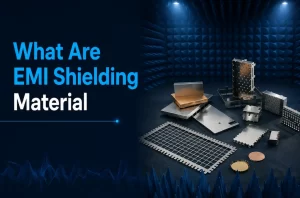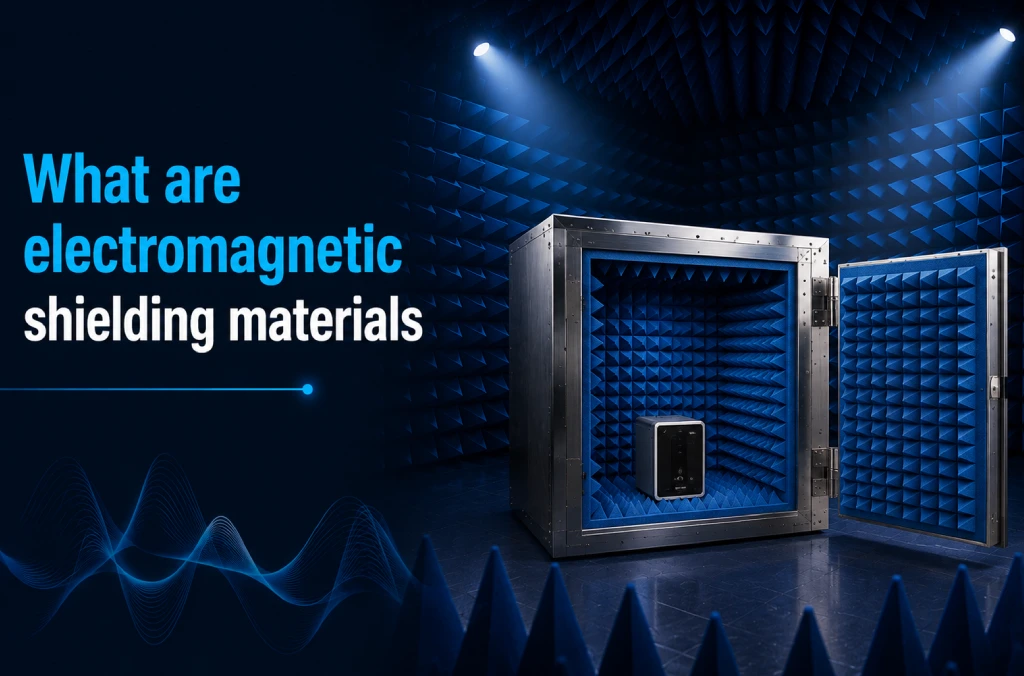
What Are Electromagnetic Shielding Materials?
In our increasingly connected world, electronic devices are everywhere. From smartphones and medical equipment to complex aerospace radar systems, our world relies heavily on wireless signals. However, this dense network of technology creates a major challenge: electromagnetic interference (EMI). To prevent devices from malfunctioning due to stray signals, engineers rely on specialized substances known as electromagnetic shielding materials.
These materials act as a protective barrier, either absorbing or reflecting unwanted electromagnetic fields to preserve signal integrity. At JV Micronics, we specialize as a premier manufacturer and supplier of high-performance shielding solutions, ensuring that sensitive electronics remain completely safe from disruptive interference.
How Electromagnetic Shielding Materials Work
To understand these materials, it helps to understand how they block interference. When an electromagnetic wave hits a shielding barrier, the material uses three primary mechanisms to stop it:
1. Reflection
This is the primary mechanism for blocking electrical waves. To reflect a wave, the material must have mobile charge carriers (electrons), which means it needs to be highly conductive. When the stray wave hits the conductive surface, it is bounced away from the protected components.
2. Absorption
This mechanism is critical for blocking magnetic waves. Materials with high magnetic permeability and electrical conductivity soak up the electromagnetic energy, converting it into harmless thermal energy (heat) inside the shield itself.
3. Multiple Reflections
In multi-layered or porous shielding materials, waves bounce back and forth inside the internal boundaries of the shield, losing energy with each bounce until the signal is completely degraded.
Types of Common Electromagnetic Shielding Materials
Different applications require different shielding properties. Depending on the frequency range and the environment, manufacturers utilize a variety of specialized materials:
Metals (The Industry Standard)
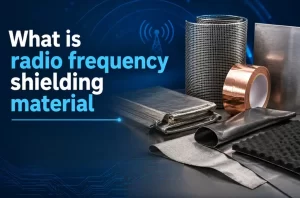
Metals are the most traditional and widely used electromagnetic shielding due to their excellent electrical conductivity.
- Copper: Highly conductive and incredibly effective at blocking both radio waves and magnetic fields.
- Aluminum: Lightweight and highly conductive, making it the perfect choice for weight-sensitive applications like aerospace and automotive electronics.
- Mu-Metal: A specialized nickel-iron alloy with exceptionally high magnetic permeability, used specifically to shield against low-frequency magnetic fields.
Conductive Plastics and Polymers
Standard plastics do not inherently block EMI. However, by embedding carbon fibers, metal flakes, or conductive particles into the polymer matrix, a manufacturing company can create lightweight, flexible, and easily moldable shielding enclosures for consumer electronics.
Conductive Elastomers and Gaskets
To prevent EMI from leaking through seams, joints, or doors in metal enclosures, engineers use conductive gaskets. These are typically made of silicone or rubber filled with silver, nickel, or copper particles, providing both an environmental seal and continuous electrical conductivity.
RF Absorber Foams
Used extensively in testing environments like anechoic chambers, these polyurethane or silicone foams are impregnated with carbon or ferrite particles. Instead of reflecting waves, they are physically shaped to trap and absorb RF energy completely.
Choosing the Right Shielding Material
Selecting the appropriate material is a balancing act. A professional provider must evaluate several project-specific factors to make the right choice:
- Frequency Range: High-frequency signals (like 5G or radar) require different material properties than low-frequency power lines.
- Environmental Factors: Will the material be exposed to extreme heat, moisture, or corrosive chemicals?
- Weight Constraints: For automotive or aerospace applications, heavy metals must often be swapped for advanced, lightweight conductive composites.
EMF Shielding
EMF shielding helps protect sensitive electronic equipment from unwanted electromagnetic fields and interference. It uses conductive and absorptive materials to reduce the impact of external electromagnetic signals and maintain reliable device performance. Proper shielding is especially important in testing facilities, laboratories, medical environments, and industrial applications. JV Micronics provides customized EMF shielding solutions designed according to specific frequency, performance, and installation requirements.
How JV Micronics Helps with Your Shielding Needs
As an established engineering company and top-tier provider of RF isolation systems, JV Micronics plays a critical role in implementing high-grade electromagnetic shielding materials for complex testing environments. We don’t just supply raw materials; we engineer complete, turn-key shielding solutions.
Our expert team helps your facility succeed through:
- Custom Chamber Design: We manufacture advanced shielded rooms and anechoic chambers using the highest industry-grade metals and absorber materials.
- Precision Manufacturing: As a dedicated manufacturer, we ensure all panels, conductive gaskets, and RF attenuating doors meet strict global compliance metrics.
- Testing and Certification: We verify the shielding effectiveness of our installations on-site, ensuring your testing facility successfully blocks external EMI.
Conclusion
Understanding what electromagnetic shielding materials are and how they operate is the first step toward achieving total electromagnetic compatibility (EMC). Whether you are protecting a small circuit board or building a massive industrial test facility, selecting the right combination of conductive and absorptive materials determines your product’s reliability.
If you are looking for an experienced, high-quality electromagnetic shielding manufacturer and supplier to safeguard your testing facility, JV Micronics has the technical expertise to deliver the perfect solution.