Medical Device EMC Testing: Why It Matters for Safety and Compliance
Modern healthcare relies heavily on electronic medical equipment to diagnose, monitor, and treat patients. From patient monitors and infusion pumps to MRI systems and wearable medical devices, these technologies must operate without interference from surrounding electronic equipment. This is where EMC testing becomes essential.
Electromagnetic Compatibility (EMC) testing ensures that medical devices can function reliably in environments filled with electromagnetic signals while also preventing them from generating interference that could affect other equipment. Since patient safety depends on the accurate performance of these devices, EMC testing is a critical step before products enter the market.
At JV Micronics, we are a trusted manufacturer, supplier, provider, and company specializing in EMC testing solutions and advanced testing environments that help medical device manufacturers achieve regulatory compliance and reliable product performance.
What is Medical Device EMC Testing?
EMC testing is the process of evaluating whether a medical device can operate correctly in the presence of electromagnetic disturbances while limiting the electromagnetic emissions it produces.
The objective is to verify that the device:
- Operates safely in real-world environments
- Is immune to electromagnetic interference (EMI)
- Does not interfere with nearby electronic equipment
- Meets international EMC standards and regulatory requirements
Healthcare environments contain numerous electronic systems operating simultaneously, making electromagnetic compatibility an essential aspect of product quality and patient safety.
Why Emc testing for medical devices is Important?
 Medical devices often perform life-critical functions. Even minor electromagnetic interference can lead to inaccurate readings, unexpected shutdowns, or communication failures.
Proper EMC testing helps manufacturers:
- Protect patient safety
- Ensure accurate device performance
- Meet international certification requirements
- Improve product reliability
- Reduce product recalls
- Increase customer confidence
Without proper testing, electromagnetic disturbances can compromise the functionality of sensitive healthcare equipment.
Key Tests Performed During EMC Testing
Different medical devices require different EMC evaluations depending on their intended use and operating environment.
1. Conducted Emissions Testing
This test measures unwanted electromagnetic signals transmitted through power cables or communication lines to ensure they remain within acceptable limits.
2. Radiated Emissions Testing
Radiated emissions testing evaluates electromagnetic energy emitted through the air from the device.
Maintaining low emissions helps prevent interference with nearby medical equipment.
3. Radiated Immunity Testing
This test verifies whether the medical device continues to function correctly when exposed to external electromagnetic fields commonly found in hospitals, laboratories, and healthcare facilities.
4. Electrostatic Discharge (ESD) Testing
Medical devices may be exposed to static electricity during normal operation.
ESD testing ensures the equipment remains functional even after electrostatic discharge events.
5. Electrical Fast Transient and Surge Testing
Unexpected voltage spikes and electrical disturbances can occur within healthcare facilities.
These tests verify that medical devices can tolerate such conditions without failure.
6. Conducted Immunity Testing
Conducted immunity testing evaluates how well a device performs when electromagnetic disturbances travel through connected cables and power supplies.
Factors That Influence EMC Testing
Several technical factors affect the complexity and scope of EMC testing.
Device Type
Portable medical devices, diagnostic equipment, imaging systems, and implantable devices each require different EMC evaluation procedures.
Operating Environment
Testing requirements vary depending on whether the device will be used in hospitals, laboratories, ambulances, clinics, or home healthcare environments.
Applicable Standards
Medical devices must comply with internationally recognized EMC standards based on their intended application and target markets.
Frequency Range
Testing covers different frequency ranges to ensure reliable operation under various electromagnetic conditions.
Product Design
Proper shielding, grounding, PCB layout, cable management, and enclosure design significantly influence EMC performance during testing.
Benefits of Professional EMC Testing Solutions
 Working with experienced EMC professionals provides numerous advantages.
These include:
- Improved product quality
- Faster regulatory approvals
- Reliable product performance
- Reduced design modifications
- Better electromagnetic compatibility
- Lower development risks
- Increased customer trust
- Enhanced product lifecycle
Professional EMC testing for medical devices also helps manufacturers identify potential issues early in the development process, reducing both time and cost.
Industries That Require EMC Testing
EMC testing is essential across various healthcare and medical technology sectors, including
- Diagnostic equipment
- Patient monitoring systems
- Medical imaging devices
- Surgical equipment
- Laboratory instruments
- Wearable healthcare devices
- Home healthcare products
- Implantable medical electronics
As healthcare technology continues to advance, ensuring electromagnetic compatibility remains a key requirement for manufacturers worldwide.
How JV Micronics Can Help?
At JV Micronics, we understand the demanding requirements of EMC testing and provide high-quality EMC solutions tailored to your application.
As an experienced manufacturer, supplier, provider, and company, we offer:
- Custom EMC testing environments
- RF shielding solutions
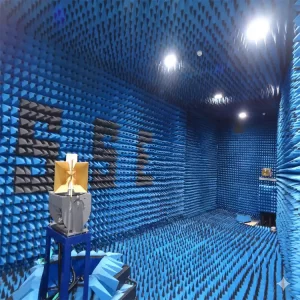
- EMI/EMC chambers
- Precision-engineered testing systems
- High-performance RF absorbers
- End-to-end technical support
- Customized solutions based on regulatory requirements
Our experienced team works closely with medical device manufacturers to develop testing environments that deliver reliable performance, accurate results, and long-term value.
Conclusion
EMC testing plays a vital role in ensuring the safety, reliability, and regulatory compliance of modern healthcare equipment. By evaluating how medical devices perform under electromagnetic conditions, manufacturers can minimize risks, improve product quality, and protect patient safety.
Choosing the right EMC solutions partner makes a significant difference in achieving successful testing outcomes. At JV Micronics, we provide advanced EMC testing solutions designed to meet the evolving needs of the medical technology industry, helping manufacturers build products they can confidently bring to market.