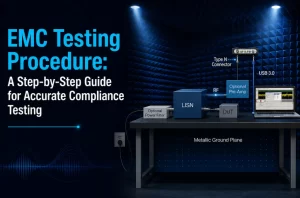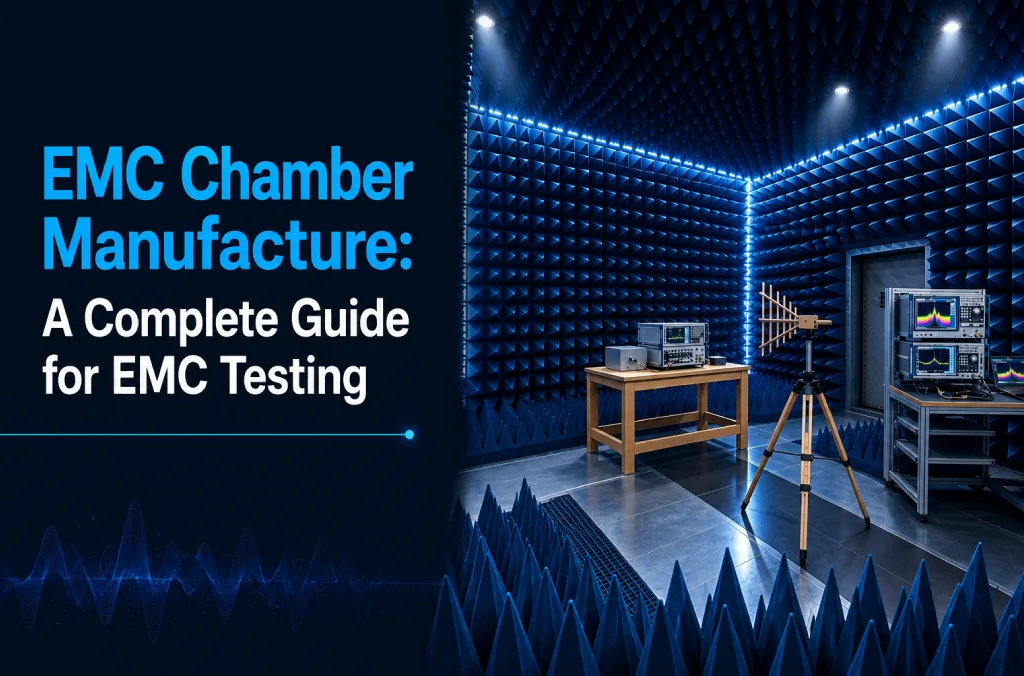
EMC Chamber Manufacture: EMC Testing Complete Guide
Modern electronic products must operate reliably without causing or being affected by electromagnetic interference. For manufacturers, laboratories, and technology companies in the United States, accurate electromagnetic compatibility testing is an important part of product development and compliance.
This is where professional EMC chamber manufacture plays an important role.
An EMC chamber provides a controlled electromagnetic environment where products can be evaluated for emissions and immunity. Depending on the application, the facility may be designed for radiated emissions, radiated immunity, conducted testing, or other RF and EMC measurements.
For companies looking for anechoic chamber services in the USA, selecting the right chamber manufacturer is important because chamber performance directly affects measurement accuracy, repeatability, and testing efficiency.
What Is an EMC Test Chamber?
An EMC test chamber is a shielded and controlled testing environment designed to minimize unwanted electromagnetic interference during testing.
The chamber typically combines:
- RF shielding
- Electromagnetic absorbers
- Shielded doors
- Filtered power systems
- RF signal interfaces
- Grounding and bonding systems
- Testing and monitoring equipment
- Optional antennas, turntables, and positioning systems
The exact configuration depends on the equipment being tested, frequency range, test methodology, chamber dimensions, and required performance.
For organizations developing electronics, automotive components, telecommunications equipment, medical devices, industrial electronics, or other RF-enabled products, a properly engineered EMI EMC chamber can provide a controlled environment for reliable testing.
Why EMC Chamber Design Matters
A chamber is more than a shielded room. Its electromagnetic performance needs to be carefully engineered so that external signals are sufficiently attenuated and internal reflections are controlled.
Several factors influence chamber performance.
1. Chamber Size and Configuration
The required chamber dimensions depend on the size of the equipment under test and the testing methodology.
A larger chamber may be necessary for large equipment, automotive applications, or systems requiring greater separation between the test object and antenna.
The internal layout also needs to consider antenna locations, equipment positioning, access requirements, and future testing requirements.
2. Frequency Range
Frequency requirements have a direct impact on absorber selection and chamber design.
Different applications require different absorber configurations to achieve the desired electromagnetic performance across the operating frequency range.
An experienced manufacturer can evaluate the required frequency range and develop an appropriate absorber and shielding configuration rather than using a one-size-fits-all approach.
3. RF Shielding Effectiveness
Shielding prevents external electromagnetic signals from entering the test environment and helps contain electromagnetic energy generated during testing.
The shielding system may include specialized metal panels, shielded doors, cable penetrations, ventilation systems, and filtered electrical connections.
Every component needs to work together to maintain the required shielding performance.
4. RF Absorber Technology
Absorbers help reduce unwanted reflections from chamber walls, ceilings, and other surfaces.
The selection and placement of absorbers depend on the chamber type, frequency range, testing application, and required performance.
For an EMC anechoic chamber, absorber design is particularly important because minimizing reflections helps create a controlled electromagnetic environment for accurate measurements.
5. Testing Equipment Integration
A modern EMC facility may require more than the chamber itself.
Depending on the application, integration can include:
- Antenna systems
- Turntables
- Antenna masts
- RF signal connections
- Monitoring systems
- Control systems
- Cable interfaces
- Filtered power systems
- Automation solutions
Proper integration allows the chamber to operate as a complete testing facility rather than simply functioning as a shielded enclosure.
EMC Anechoic Chamber vs. EMC Test Chamber
The terms used for EMC facilities can vary depending on the application.
An EMC test chamber generally refers to a controlled environment designed for electromagnetic compatibility testing.
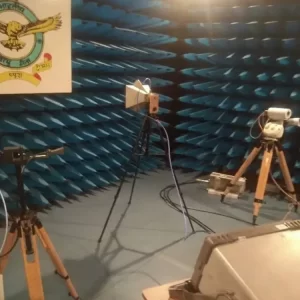
An EMC anechoic chamber uses RF absorbing materials to reduce electromagnetic reflections inside the chamber. This allows engineers to perform controlled radiated emission and immunity measurements.
Semi-anechoic configurations are also widely used for EMC applications because they provide a controlled environment while accommodating specific testing methodologies.
The appropriate configuration depends on the product, frequency range, test requirements, available space, and applicable standards.
EMC Testing Requirements in the USA
Companies operating in the United States need to consider applicable regulatory and industry requirements when planning an EMC testing facility.
Depending on the product category, testing may be associated with requirements from organizations and standards bodies such as the FCC, ANSI, CISPR, IEC, and other relevant industry standards.
 The chamber should therefore be designed around the actual testing methodology rather than simply selecting a generic enclosure.
Before starting an EMC chamber project, organizations should define:
- Products that will be tested
- Maximum equipment dimensions
- Frequency range
- Required test methods
- Required measurement distance
- Desired chamber performance
- Equipment integration requirements
- Future expansion requirements
This information allows the manufacturer to develop a technically appropriate solution.
Choosing an EMC Chamber Manufacturer for the USA
Selecting the right manufacturer is one of the most important decisions in an EMC facility project.
A reliable EMC chamber manufacturer should be able to support the project from initial design through manufacturing, installation, testing, and technical support.
Important factors to evaluate include:
Engineering Capability
The manufacturer should understand RF shielding, absorber technology, chamber construction, electromagnetic performance, and testing requirements.
Custom Design
Every facility has different space, product, and testing requirements. A customized design can provide better utilization of available space and ensure that the chamber meets the intended application.
Manufacturing Quality
The quality of shielding panels, doors, absorbers, filters, ventilation systems, and other components directly influences long-term chamber performance.
Installation and Validation
Proper installation is essential. Even a well-designed chamber can experience performance problems if components are not installed and integrated correctly.
Technical Support
Long-term technical support is valuable for maintenance, upgrades, troubleshooting, and future modifications.
How JV Micronics Helps With EMC Chamber Projects
JV Micronics provides EMC chamber manufacture and engineered RF testing solutions for organizations requiring reliable electromagnetic testing environments.
As an EMC chamber manufacturer and supplier, JV Micronics can support projects from design and engineering through manufacturing and implementation.
Our approach includes:
 Requirement Analysis: Understanding the product, testing application, frequency range, chamber dimensions, and performance requirements.
- Custom Engineering: Developing a chamber configuration based on the specific technical and operational requirements of the facility.
- RF Shielding & Absorber Solutions: Selecting suitable shielding and absorber configurations for the intended testing environment.
- System Integration: Supporting the integration of doors, filters, antennas, turntables, cable interfaces, ventilation, and other required systems.
- USA-Focused Solutions: Providing chamber solutions for organizations requiring EMC and anechoic chamber capabilities in the United States.
- End-to-End Support: Helping clients throughout the project lifecycle, from initial planning and manufacturing to installation and technical support.
The goal is to provide a dependable testing environment that supports accurate measurements, efficient workflows, and long-term facility requirements.
Conclusion
A properly designed EMC facility is an important investment for organizations developing and testing electronic products. The right chamber configuration can improve measurement reliability while providing a controlled environment for electromagnetic compatibility testing.
When evaluating EMI EMC chamber, EMC anechoic chamber, or EMC test chamber solutions in the USA, businesses should consider more than the initial equipment cost. Chamber design, shielding effectiveness, absorber technology, testing requirements, integration, installation, and long-term support all contribute to the success of the facility.
JV Micronics works as an EMC chamber manufacturer, supplier, and provider, helping organizations develop customized chamber solutions based on their technical requirements.