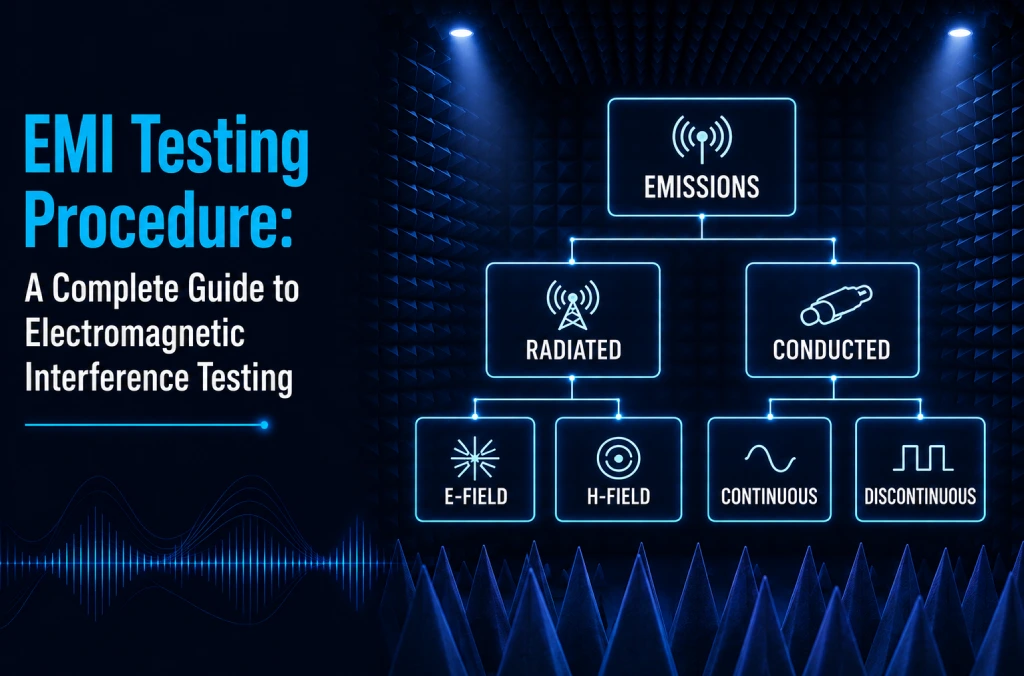
EMI Testing Procedure: Complete Guide for Testing
Modern electronic devices are becoming more advanced, compact, and interconnected. However, with increased electronic functionality comes the challenge of managing electromagnetic interference (EMI). Uncontrolled EMI can affect device performance, create safety risks, and lead to compliance failures during certification.
To ensure electronic products meet global regulatory standards, manufacturers follow a detailed EMI testing that evaluates electromagnetic emissions and immunity performance. Proper EMI testing helps identify interference issues early and ensures products operate reliably in real-world environments.
At JV Micronics, we specialize in designing and manufacturing advanced EMI/EMC testing solutions that help industries achieve accurate results and compliance with international standards.
What is an EMI Testing Procedure?
EMI testing procedure is a systematic process used to measure, evaluate, and control electromagnetic interference generated by electrical equipment. The procedure determines whether a device produces unwanted electromagnetic emissions or is vulnerable to external electromagnetic disturbances.
EMI testing is an essential part of product development for industries such as:
- Automotive electronics
- Aerospace and defense
- Telecommunications
- Medical equipment
- Consumer electronics
- Industrial automation
By following a structured EMI testing procedure, engineers can identify electromagnetic issues and make necessary design improvements before product certification.
Why is EMI Testing Important?
Electronic devices must function properly without interfering with nearby equipment. Poor electromagnetic compatibility can result in malfunctioning devices, communication failures, or regulatory rejection.
The importance of electromagnetic interference testing includes:
Ensuring Regulatory Compliance
Different regions have strict EMI/EMC compliance requirements. Products must pass testing standards defined by organizations such as CISPR, IEC, FCC, and other regulatory bodies.
A proper EMI/EMC testing procedure ensures products meet required emission and immunity limits before entering the market.
Improving Product Reliability
EMI issues can affect device performance, especially in sensitive applications such as medical systems, automotive electronics, and communication equipment.
Testing helps manufacturers identify weak points and improve product reliability.
Reducing Development Risks
Detecting EMI problems during the design stage reduces costly modifications later. Early testing allows engineers to optimize product designs and avoid certification delays.
Step-by-Step EMI Testing Procedure
The EMI testing involves several important stages to accurately evaluate electromagnetic performance.
1. Understanding Testing Requirements
The first step involves identifying product specifications, operating conditions, and applicable compliance standards.
Engineers analyze:
- Product category
- Operating frequency range
- Required testing standards
- Emission and immunity requirements
This information helps define the correct testing approach and equipment requirements.
2. Preparing the Test Environment
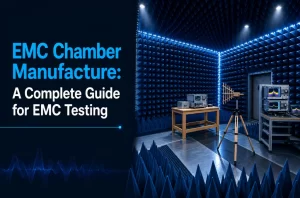
A controlled testing environment is essential for accurate EMI measurements. External electromagnetic signals can impact results, so testing is usually performed inside specialized facilities.
Common testing environments include:
- EMI shielded rooms
- Semi-anechoic chambers
- Full anechoic chambers
These environments minimize external interference and provide reliable testing conditions.
3. Conducting Radiated Emission Testing
Radiated emission testing measures electromagnetic energy released from a device through the air.
During this stage, engineers evaluate:
- Frequency emissions
- Signal strength
- Radiation patterns
Specialized antennas and measurement equipment are used to identify unwanted electromagnetic radiation.
4. Performing Conducted Emission Testing
Conducted emission testing focuses on unwanted electrical noise transferred through power lines and cables.
The testing process measures interference signals generated by the device and ensures they remain within acceptable limits.
This step is an important part of the overall EMI testing procedure, especially for electronic equipment connected to external power systems.
5. Testing Electromagnetic Immunity
Apart from measuring emissions, products must also demonstrate resistance against external electromagnetic disturbances. Immunity testing evaluates how a device performs when exposed to:
- Radio frequency interference
- Electrostatic discharge
- Electrical fast transients
- Surge disturbances
This ensures the product continues functioning correctly in different operating environments.
6. Data Analysis and Compliance Evaluation
After completing testing, engineers analyze the collected data and compare the results with the required standards.
If issues are identified, manufacturers may need to improve:
- Circuit design
- Shielding techniques
- Filtering systems
- Grounding methods
A detailed analysis helps achieve successful certification approval.
Equipment Used During EMI Testing Procedure
A reliable EMI test requires specialized equipment designed for accurate measurements.
Common EMI testing equipment includes:
- Spectrum analyzers
- EMI receivers
- Antennas
- Signal generators
- RF amplifiers
- Shielded enclosures
- Anechoic chambers
Choosing the right testing infrastructure is important for achieving accurate and repeatable results.
How EMI Testing Chambers Improve Testing Accuracy
EMI testing chambers provide a controlled environment where electromagnetic measurements can be performed without external interference.
These chambers offer:
- High shielding effectiveness
- Reduced background noise
- Accurate measurement conditions
- Compliance with international testing standards
Working with an experienced EMI equipment manufacturer ensures that testing facilities are designed according to specific industry requirements.
Why Choose JV Micronics for EMI Testing Solutions?
JV Micronics is a trusted EMI testing equipment manufacturer and EMC testing provider specializing in advanced electromagnetic testing environments.
We design and manufacture customized testing solutions, including:
- EMI shielded rooms
- EMC test chambers
- Anechoic chambers
- RF testing facilities
- Customized electromagnetic testing solutions
Our team works closely with clients to understand their testing requirements and deliver solutions that provide accuracy, reliability, and long-term performance.
At JV Micronics, we focus on:
- Customized chamber design
- High-quality materials
- Industry-standard manufacturing
- Reliable installation support
- Complete testing environment solutions
Whether your testing infrastructure is for automotive, aerospace, electronics, or industrial applications, JV Micronics provides solutions tailored to your requirements.
Conclusion
A proper EMI testing procedure plays a critical role in ensuring electronic products meet performance, safety, and compliance requirements. From emission measurement to immunity testing, every stage helps identify electromagnetic issues and improve product reliability.
Choosing the right testing infrastructure and working with an experienced EMI/EMC testing solutions provider can make the testing process more accurate and efficient.
JV Micronics helps businesses develop reliable EMI testing environments with customized solutions designed for modern industrial requirements.